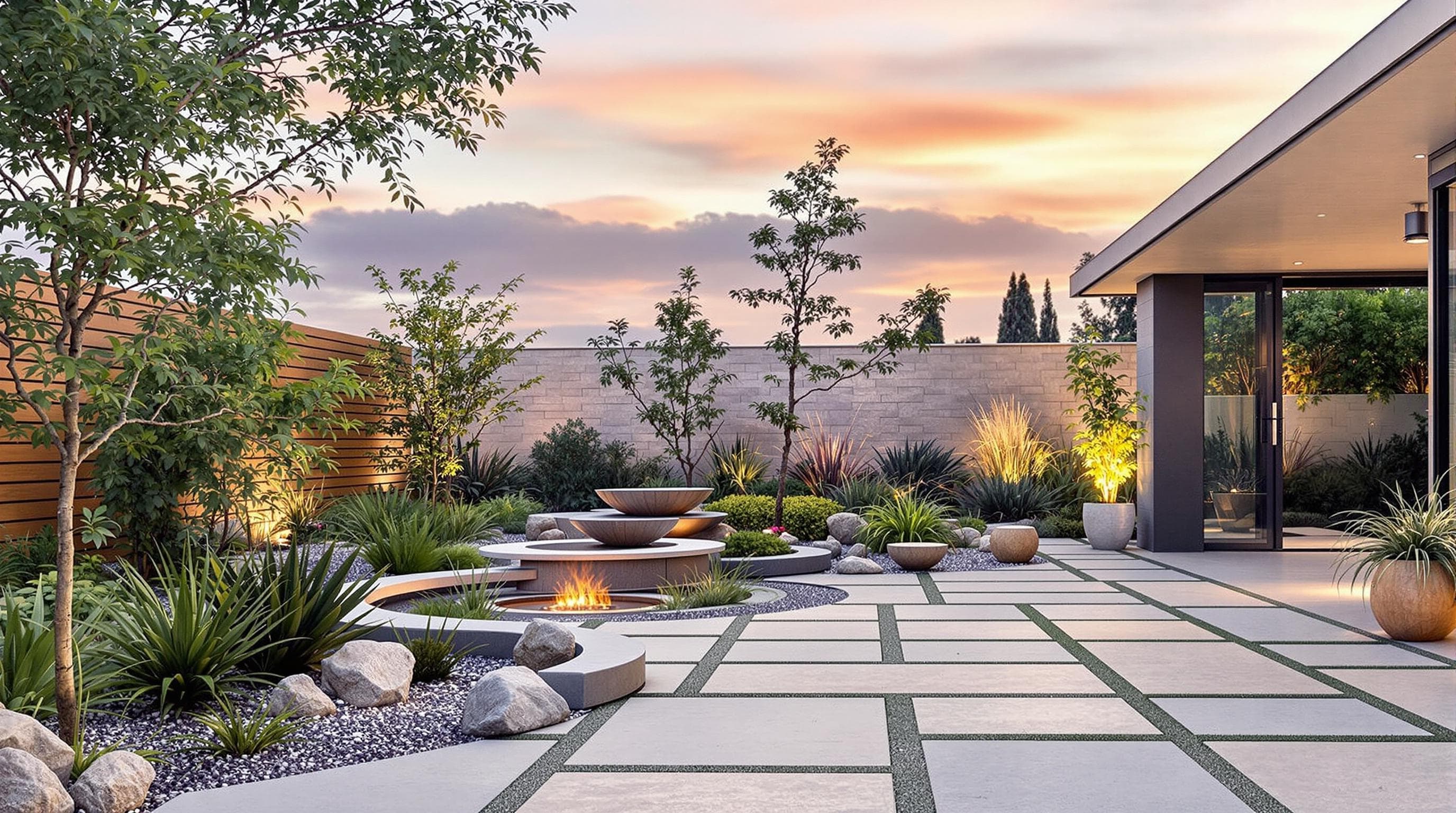
Understanding Desert Landscaping
Desert landscaping, also known as xeriscaping, focuses on creating beautiful outdoor spaces that thrive with minimal water. In Gilbert, this approach is both environmentally responsible and cost-effective. With Arizona's extreme temperatures, limited rainfall, and water conservation requirements, desert landscaping has become the standard for sustainable, beautiful outdoor spaces.
Contrary to common misconceptions, desert landscaping doesn't mean a yard full of rocks and cacti. Modern desert landscaping incorporates a wide variety of plants, colors, textures, and design elements that create lush, inviting outdoor spaces while using 50-75% less water than traditional landscapes. The key is selecting the right plants, designing efficiently, and implementing proper maintenance practices.
Choose Native and Desert-Adapted Plants
Select plants that naturally thrive in Arizona's climate. These plants have evolved to handle heat, drought, and intense sun:
- Desert Trees: Mesquite (fast-growing, provides shade), Palo Verde (beautiful yellow blooms, native), Ironwood (slow-growing but extremely durable), Desert Willow (colorful flowers, attracts hummingbirds), and Acacia (variety of sizes and forms).
- Native Shrubs: Texas Sage (silver foliage, purple flowers), Desert Marigold (yellow blooms, long flowering season), Fairy Duster (delicate pink flowers), Ocotillo (architectural interest), and Chuparosa (attracts hummingbirds).
- Succulents: Agave (architectural forms, various sizes), Aloe (medicinal and ornamental), Yucca (dramatic spiky forms), and various cacti species for unique textures and forms.
- Ground Covers: Lantana (colorful, attracts butterflies), Verbena (spreading, colorful blooms), Gazania (daisy-like flowers), and Ice Plant (succulent ground cover with colorful flowers).
- Perennials: Penstemon (tubular flowers, attracts pollinators), Salvia (aromatic, colorful spikes), and Blackfoot Daisy (white daisy-like flowers, long blooming).
Water-Efficient Design Principles
Design your landscape to minimize water usage while maximizing beauty and function:
- Hydrozoning: Group plants by water needs. Create high-water zones (near patios, entryways) and low-water zones (perimeter areas, slopes). This allows you to water efficiently without overwatering drought-tolerant plants.
- Mulch Application: Use organic or inorganic mulch to retain moisture, reduce evaporation, suppress weeds, and moderate soil temperature. Apply 2-3 inches of mulch around plants, keeping it away from trunks and stems.
- Efficient Irrigation: Install drip irrigation systems that deliver water directly to plant roots. Use smart controllers that adjust based on weather conditions. Zone irrigation systems by plant water needs.
- Hardscaping Integration: Incorporate hardscaping to reduce plant areas. Patios, walkways, and other hardscape features require no water and provide functional outdoor space.
- Landscape Rock: Use landscape rock for low-maintenance areas. Rock mulch requires no water, suppresses weeds, and provides a clean, modern appearance.
- Shade Planning: Strategically place trees and structures to provide shade, reducing water needs for understory plants and creating comfortable outdoor spaces.
- Slope Management: Design slopes to capture and direct water to planting areas. Terracing can help manage water flow and create planting opportunities.
Soil Preparation
Proper soil preparation is crucial for desert plants to establish and thrive:
- Drainage Improvement: Most desert plants require excellent drainage. Amend heavy clay soils with sand, decomposed granite, or other materials to improve drainage. Avoid over-amending, as many desert plants prefer native soil conditions once established.
- Soil Testing: Test soil pH and adjust as needed. Most desert plants prefer slightly alkaline to neutral pH (7.0-8.0). Add sulfur to lower pH or lime to raise it if necessary.
- Organic Matter: Add organic matter (compost, well-rotted manure) sparingly for new plantings. Desert plants generally don't need rich soil, but some organic matter helps with initial establishment.
- Raised Beds: Consider raised beds for better drainage, especially in areas with poor drainage or heavy clay soil. Raised beds also make maintenance easier and can create visual interest.
- Soil Compaction: Avoid compacting soil, especially when wet. Compacted soil prevents water penetration and root growth. Use pathways and stepping stones to avoid walking on planting areas.
Hardscaping Elements
Incorporate hardscaping to reduce water needs while adding function and beauty:
- Patios and Walkways: Use pavers, flagstone, or concrete for patios and walkways. These areas require no water and provide functional outdoor space for entertaining and relaxation.
- Retaining Walls: Retaining walls manage elevation changes, create planting opportunities, and add structural interest. Materials like stone, block, or natural rock work well in desert landscapes.
- Fire Features: Fire pits and fireplaces extend outdoor enjoyment into cooler evenings. They create gathering spaces and add ambiance without requiring water.
- Outdoor Kitchens: Complete outdoor kitchens with grills, countertops, and seating areas create functional outdoor living spaces that require no landscape water.
- Water Features: While they use water, recirculating fountains and ponds can add cooling effects and visual interest. Modern designs can be water-efficient with proper planning.
- Pergolas and Shade Structures: Provide shade for plants and people while adding architectural interest. These structures reduce water needs for understory plants and create comfortable outdoor spaces.
Design Considerations
Thoughtful design enhances both aesthetics and function:
- Color Planning: Use colorful plants strategically to create focal points and visual interest. Desert plants offer a wide range of colors beyond the typical green.
- Texture Variation: Combine plants with different textures - smooth, spiky, fine, coarse - to create visual interest and depth.
- Form and Structure: Use plants with different growth habits - upright, spreading, cascading - to create dynamic compositions.
- Seasonal Interest: Select plants that provide interest in different seasons - spring blooms, summer color, fall foliage, winter structure.
- Scale and Proportion: Match plant sizes to your space. Use larger plants as focal points and smaller plants for detail and texture.
Maintenance Tips
Desert landscapes require less maintenance than traditional landscapes but still need care:
- Watering Practices: Water deeply but infrequently to encourage deep root growth. Most established desert plants need water every 1-3 weeks, depending on season and weather.
- Pruning: Prune during appropriate seasons. Most desert plants benefit from pruning in late winter or early spring before new growth begins.
- Pest and Disease Monitoring: Monitor for pests and diseases, though desert-adapted plants generally have fewer problems. Address issues promptly to prevent spread.
- Mulch Refreshment: Refresh mulch annually or as needed to maintain proper depth and appearance. Organic mulches break down and need replenishment.
- Seasonal Adjustments: Adjust irrigation seasonally. Plants need more water during hot summer months and less during cooler seasons.
- Weed Control: Remove weeds promptly before they establish. Mulch and proper plant spacing help suppress weeds naturally.
- Fertilization: Most desert plants need minimal fertilization. Over-fertilizing can actually harm desert-adapted plants. Use slow-release fertilizers sparingly if needed.
Common Mistakes to Avoid
Avoid these common desert landscaping mistakes:
- Overwatering desert-adapted plants, which can cause root rot and other problems
- Planting non-desert-adapted plants that require excessive water
- Using too much organic matter in soil, which can retain too much moisture
- Not providing adequate drainage for plants that require it
- Planting too densely, which increases water competition and maintenance needs
- Ignoring seasonal water needs and watering the same amount year-round
Professional Desert Landscaping in Gilbert
Creating a beautiful, water-efficient desert landscape requires expertise in plant selection, design, and installation. Gilbert Yard Pros connects you with experienced landscape designers and contractors who specialize in desert landscaping in Gilbert. Our network of professionals can help you:
- Design beautiful, water-efficient landscapes tailored to your property
- Select appropriate plants for your specific site conditions
- Install efficient irrigation systems
- Create functional hardscape features
- Establish proper maintenance programs
Contact Gilbert Yard Pros today to get matched with qualified landscape professionals who can help you create a stunning desert landscape that conserves water, reduces maintenance, and enhances your property's value and enjoyment.
Ready to Transform Your Landscape?
Get matched with trusted local contractors for your landscaping project