Why Pavers Are Perfect for Gilbert
Pavers offer durability, beauty, and functionality that make them ideal for Gilbert's climate. Arizona's extreme temperature fluctuations, intense sun exposure, and occasional monsoon rains require hardscape materials that can withstand these challenges. Pavers excel in these conditions because they can expand and contract with temperature changes without cracking, provide excellent drainage during heavy rains, and maintain their appearance despite intense UV exposure.
Unlike poured concrete, which can crack and shift in Arizona's climate, pavers are individual units that move independently, preventing large-scale cracking. This makes them particularly well-suited for Gilbert's freeze-thaw cycles and temperature extremes. Additionally, pavers offer design flexibility, allowing homeowners to create unique patterns, incorporate different colors, and easily replace individual units if damage occurs.
Choosing the Right Paver Material
Select pavers based on your needs, budget, and design preferences. Each material offers unique benefits:
- Concrete Pavers: Cost-effective option ($3-8 per square foot), extremely durable, wide variety of styles, colors, and textures. Modern concrete pavers can mimic natural stone at a fraction of the cost. They're available in various sizes and shapes, making them versatile for different design applications.
- Natural Stone: Timeless beauty with unique character, each piece is one-of-a-kind. Materials like flagstone, slate, and bluestone offer natural variations in color and texture. Higher cost ($10-25 per square foot) but adds significant value to your property. Natural stone requires more maintenance but offers unmatched aesthetic appeal.
- Brick: Classic appearance that never goes out of style, excellent durability that can last decades. Brick pavers offer warm, traditional aesthetics and work well in both formal and casual settings. Moderate cost ($5-12 per square foot) with good longevity.
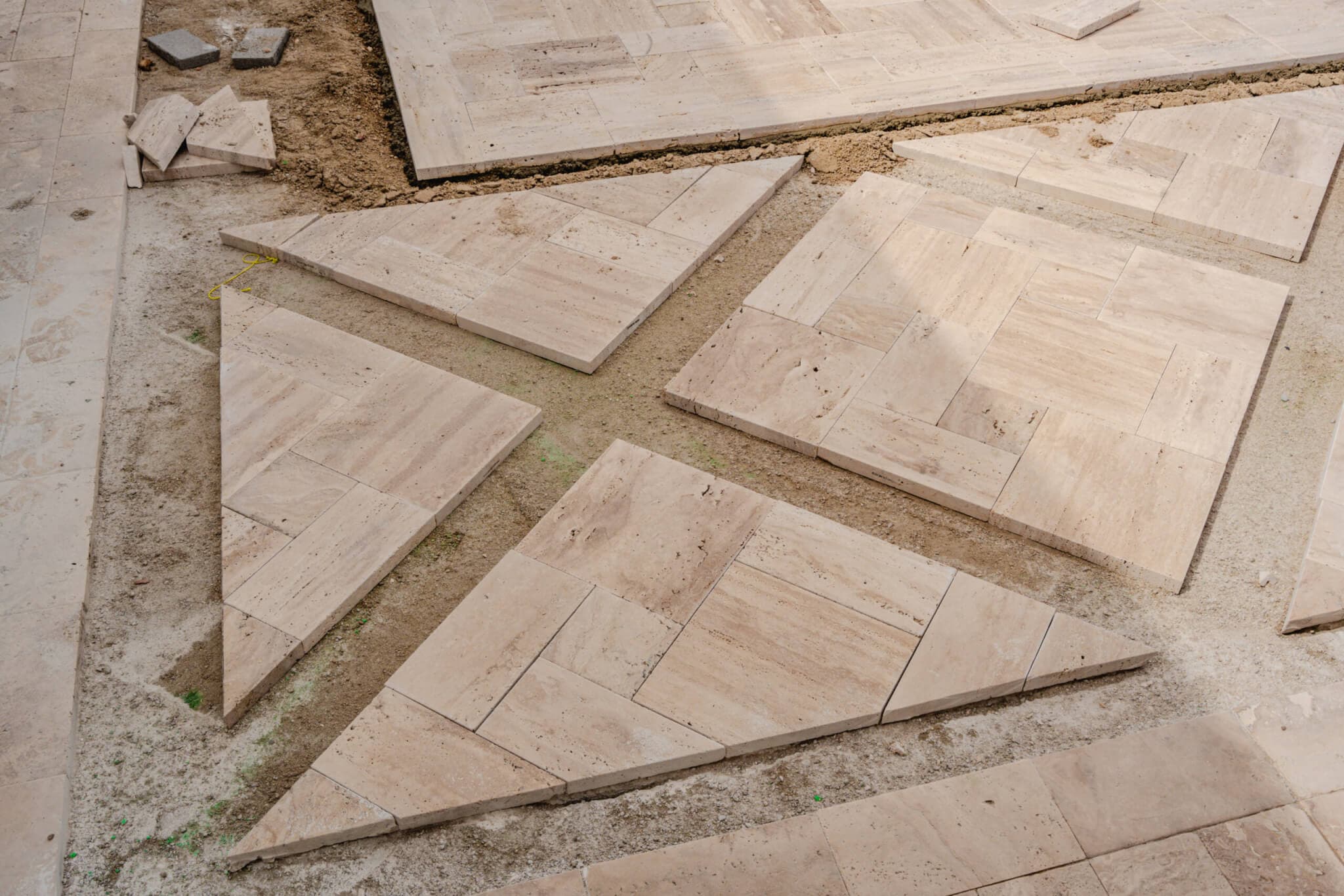
- Travertine: Elegant, sophisticated appearance, naturally cool underfoot even in hot weather, perfect for patios and pool decks. Travertine is a type of limestone that offers natural beauty with good durability. Higher cost ($12-30 per square foot) but provides luxury appeal.
- Permeable Pavers: Environmentally friendly option that allows water to drain through, reducing runoff and helping with water conservation. Ideal for eco-conscious homeowners and areas with drainage concerns.
Installation Process
Professional paver installation involves several critical steps that ensure long-lasting results:
- Site Preparation and Excavation: Remove existing materials, excavate to proper depth (typically 6-8 inches for pedestrian areas, 10-12 inches for driveways), and ensure proper slope for drainage (1/4 inch per foot away from structures).
- Base Material Installation: Install and compact base material (typically crushed stone or road base) in layers. Each layer should be compacted to 95% density. The base depth depends on expected load - driveways need thicker bases than patios.
- Sand Bed Preparation: Spread a 1-inch layer of coarse sand over the compacted base. This sand bed allows for fine adjustments during paver placement and provides a stable surface.
- Paver Placement and Leveling: Place pavers according to your design pattern, maintaining consistent spacing. Use a level to ensure proper slope and eliminate high or low spots. Cut pavers as needed for edges and around obstacles.
- Edge Restraint Installation: Install edge restraints (plastic, metal, or concrete) to prevent pavers from shifting outward. This is critical for maintaining the integrity of the installation over time.
- Joint Sand Installation: Spread polymeric sand or regular sand into the joints between pavers. Polymeric sand hardens when wet, creating a more stable surface and preventing weed growth and ant infestation.
- Final Compaction and Sealing: Compact the entire surface with a plate compactor to settle pavers and sand. Apply sealer if desired to protect pavers from stains, enhance color, and make maintenance easier.
Climate Considerations for Gilbert
Gilbert's climate requires special attention during installation to ensure long-term success:
- Base Depth: Proper base depth (minimum 4 inches for patios, 6-8 inches for driveways) prevents shifting caused by soil expansion and contraction. In areas with clay soil, deeper bases may be needed.
- Drainage: Adequate drainage is essential to handle monsoon rains. Ensure proper slope (minimum 1% grade) and consider French drains or other drainage solutions for low-lying areas.
- UV-Resistant Materials: Use UV-resistant jointing materials and sealers to prevent fading and degradation. Some polymeric sands and sealers are specifically designed for high-UV environments.
- Expansion Joints: Install expansion joints for large installations to accommodate temperature changes. These joints prevent buckling and shifting during extreme temperature fluctuations.
- Heat Considerations: Some paver materials can become very hot in direct sunlight. Consider lighter colors or materials that stay cooler for areas where people will walk barefoot.
- Monsoon Preparation: Ensure proper compaction and edge restraints to prevent washout during heavy monsoon rains. Well-installed pavers should handle heavy rainfall without issues.
Design Considerations
Thoughtful design enhances both function and aesthetics:
- Pattern Selection: Choose patterns that complement your home's architecture. Running bond is classic, herringbone is strong for driveways, and basket weave offers visual interest.
- Color Coordination: Select paver colors that complement your home's exterior. Consider how colors will look in both direct sunlight and shade.
- Size and Scale: Larger pavers work well for expansive areas, while smaller pavers offer more design flexibility and work better in smaller spaces.
- Border Treatments: Consider using different colors or patterns for borders to define spaces and add visual interest.
- Integration with Landscape: Plan how pavers integrate with existing or planned landscaping, including planters, retaining walls, and other hardscape features.
Maintenance and Care
Keep your pavers looking great with regular maintenance:
- Regular Sweeping: Sweep regularly to remove debris, leaves, and dirt. This prevents staining and keeps joints clear.
- Periodic Washing: Wash periodically with appropriate cleaners. Use pH-neutral cleaners for most pavers, and avoid harsh chemicals that can damage sealers or pavers themselves.
- Joint Sand Maintenance: Replenish joint sand as needed, especially after heavy rains or if sand washes out. This prevents pavers from shifting and keeps the surface stable.
- Sealing: Seal pavers every 2-3 years to protect from stains, enhance color, and make cleaning easier. Choose sealers appropriate for your paver material and climate.
- Weed Control: Address weeds promptly by removing them and treating with appropriate herbicides. Polymeric sand helps prevent weed growth in joints.
- Stain Removal: Address stains quickly using appropriate cleaners for the specific stain type. Oil stains, rust, and organic stains each require different treatment approaches.
- Inspection: Regularly inspect for loose or damaged pavers and address issues promptly to prevent further damage.
Cost Considerations
Understanding costs helps with planning:
- Material Costs: Range from $3-30 per square foot depending on material type and quality.
- Installation Costs: Typically $5-15 per square foot for professional installation, depending on complexity, site conditions, and local labor rates.
- Total Project Cost: Most paver projects range from $8-45 per square foot installed, including materials, labor, base materials, and finishing.
- Long-Term Value: Quality paver installations can last 20-30 years with proper maintenance, making them a good long-term investment that adds value to your property.
Professional Paver Installation in Gilbert
Proper paver installation requires expertise, especially in Arizona's challenging climate. Gilbert Yard Pros connects you with experienced hardscaping contractors who specialize in paver installation in Gilbert. Our network of professionals understands the unique requirements of desert installations and can help you:
- Choose the right paver materials for your project and budget
- Design beautiful, functional outdoor spaces
- Ensure proper installation that withstands Arizona's climate
- Complete projects on time and within budget
- Provide warranties on both materials and installation
Contact Gilbert Yard Pros today to get matched with qualified paver installation professionals who can transform your outdoor space with beautiful, durable hardscaping that enhances your property's value and enjoyment.
Ready to Transform Your Landscape?
Get matched with trusted local contractors for your landscaping project