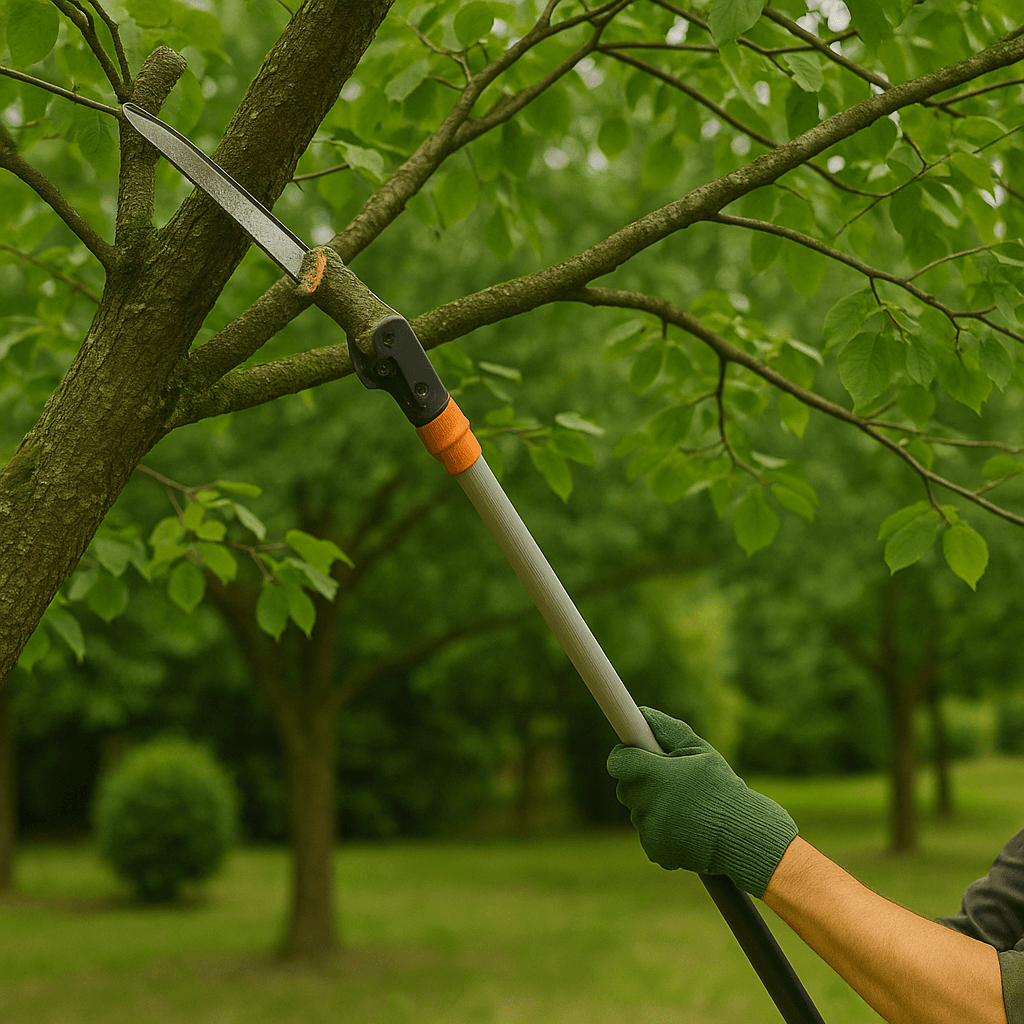
Understanding Tree Trimming Seasons in Gilbert
Proper timing for tree trimming in Gilbert depends on the tree species, its health, and your goals. Understanding when to trim helps promote healthy growth, prevent damage, and ensure the best results. Arizona's unique climate, with its extreme heat, minimal rainfall, and occasional freezes, requires special consideration when planning tree maintenance.
Trimming at the wrong time can stress trees, make them more susceptible to disease and pests, reduce flowering or fruiting, and even cause long-term damage. Conversely, trimming at the right time promotes healthy growth, improves tree structure, enhances flowering and fruiting, and helps trees better withstand Arizona's challenging climate conditions.
Best Times for Different Tree Types
Tree trimming timing varies significantly by species. Understanding your tree's specific needs ensures optimal results:
- Deciduous Trees: Late fall to early winter when trees are dormant (November-February). This includes trees like Ash, Elm, and many fruit trees. Dormant pruning is less stressful and allows you to see the tree's structure clearly.
- Evergreen Trees: Late winter to early spring (February-April) before new growth begins. This includes pines, junipers, and other conifers. Trimming during this period allows trees to heal before the stress of summer heat.
- Fruit Trees: Late winter before bud break (January-March) to promote fruit production. Proper timing ensures maximum fruit yield and tree health. Each fruit tree species may have slightly different optimal timing.
- Flowering Trees: After flowering to avoid removing buds. Spring-flowering trees should be trimmed immediately after blooms fade, while summer-flowering trees can be trimmed in late winter or early spring.
- Desert-Adapted Trees: Late winter to early spring (February-April) for most desert trees like Mesquite, Palo Verde, and Ironwood. These trees are adapted to Arizona's climate but still benefit from proper timing.
- Palm Trees: Can be trimmed year-round, but late winter to early spring is ideal. Remove dead fronds and seed pods regularly for safety and appearance.
Seasonal Considerations
Each season in Arizona offers different advantages and challenges for tree trimming:
- Winter (December-February): Trees are dormant, making it easier to see structure and make informed pruning decisions. Less stress on trees, reduced risk of disease transmission, and optimal healing conditions. This is generally the best time for major pruning of most tree species.
- Spring (March-May): Good for shaping and removing deadwood. Trees are beginning active growth, so wounds heal quickly. However, avoid heavy pruning during active growth periods as it can stress trees. Light pruning and shaping are appropriate.
- Summer (June-August): Light pruning only, avoid heavy trimming. Extreme heat makes trees more vulnerable to stress. Focus on removing dead or damaged branches and minor shaping. Avoid major cuts that expose large areas of bark to intense sun.
- Fall (September-November): Minimal trimming, focus on safety pruning. Trees are preparing for dormancy, and major cuts may not heal properly before winter. Remove only hazardous branches and deadwood.
When to Avoid Trimming
Certain times and conditions should be avoided to prevent tree stress and damage:
- Active Growth Periods: Avoid heavy trimming during peak growth periods (typically spring) as it's stressful for trees and can reduce growth and vigor.
- Extreme Heat: Avoid trimming during the hottest part of summer (typically July-August) when temperatures exceed 100°F. Trees are already stressed by heat and drought.
- Drought Stress: Don't trim when trees are stressed from drought. Wait until trees have adequate water and are showing signs of recovery.
- Before Monsoon Season: Avoid major trimming right before monsoon season (typically late June-early July) as fresh cuts can be vulnerable to disease in humid conditions.
- During Freeze Warnings: Avoid trimming when freezing temperatures are expected, as fresh cuts can be damaged by cold.
- When Trees Are Diseased: Avoid trimming diseased trees except to remove infected branches. Improper trimming can spread disease.
Emergency Trimming
Some situations require immediate attention regardless of season. Safety and tree health take priority:
- Dead or Damaged Branches: Remove immediately to prevent falling hazards and reduce risk of disease or pest infestation.
- Branches Threatening Structures: Trim branches that pose immediate risk to buildings, power lines, or other structures.
- Safety Hazards: Address any branches that create safety hazards for people or property, regardless of season.
- Disease or Pest Issues: Remove infected or infested branches promptly to prevent spread, even if it's not the ideal trimming season.
- Storm Damage: Address storm-damaged branches immediately to prevent further damage and safety risks.
Trimming Goals and Techniques
Understanding your goals helps determine the best approach:
- Health Maintenance: Remove dead, diseased, or damaged branches to promote tree health.
- Structure Improvement: Remove crossing branches, weak attachments, and improve overall tree structure.
- Size Control: Reduce tree size through proper pruning techniques, avoiding topping which damages trees.
- Fruit Production: Prune fruit trees to maximize production and fruit quality.
- Safety: Remove hazardous branches that threaten people or property.
- Aesthetic Shaping: Shape trees for improved appearance while maintaining natural form.
Proper Pruning Techniques
Using correct techniques ensures healthy results:
- Make Clean Cuts: Use sharp, clean tools to make smooth cuts that heal quickly.
- Cut at the Right Location: Make cuts just outside the branch collar (the swollen area where branch meets trunk) to promote proper healing.
- Avoid Topping: Never top trees (cutting main branches back to stubs). This severely damages trees and creates hazards.
- Remove No More Than 25%: In a single season, avoid removing more than 25% of a tree's canopy to prevent excessive stress.
- Use Three-Cut Method: For large branches, use the three-cut method to prevent bark tearing and damage.
- Don't Paint Wounds: Modern research shows that wound dressings are generally unnecessary and can sometimes be harmful.
Professional Tree Trimming
For best results, work with experienced tree care professionals who understand:
- Proper Pruning Techniques: Certified arborists know the correct methods for different tree species and situations.
- Tree Biology: Understanding how trees grow and respond to pruning ensures healthy results.
- Safety Protocols: Professional tree trimmers have the training, equipment, and insurance to work safely, especially for large trees or trees near structures.
- Local Tree Species: Knowledge of Arizona's native and adapted trees helps determine the best trimming approaches.
- Disease and Pest Management: Professionals can identify and address tree health issues during trimming.
- Equipment and Tools: Professional-grade equipment ensures clean cuts and safe work, especially for large or difficult-to-reach trees.
Tree Trimming Services in Gilbert
Proper tree trimming requires expertise, especially in Arizona's challenging climate. Gilbert Yard Pros connects you with experienced tree care professionals who specialize in tree trimming in Gilbert. Our network of qualified arborists and tree care specialists can help you:
- Determine the best time to trim your specific trees
- Perform proper trimming using correct techniques
- Address tree health issues during trimming
- Ensure safety for people and property
- Maintain trees for optimal health and appearance
Contact Gilbert Yard Pros today to get matched with qualified tree care professionals who can help you maintain healthy, beautiful trees that enhance your property and withstand Arizona's climate.
Ready to Transform Your Landscape?
Get matched with trusted local contractors for your landscaping project