The Importance of Water Efficiency in Gilbert
Water conservation is essential in Gilbert's desert climate. With limited rainfall, high evaporation rates, and increasing water costs, creating a water-efficient landscape helps reduce costs, conserve precious resources, and maintain beautiful outdoor spaces. Water-efficient landscaping, also known as xeriscaping, can reduce outdoor water usage by 50-75% compared to traditional landscapes while creating stunning, low-maintenance outdoor spaces.
Beyond cost savings, water-efficient landscaping helps Gilbert homeowners comply with local water restrictions, reduces environmental impact, and creates landscapes that are better adapted to Arizona's climate. These landscapes require less maintenance, are more resilient during drought, and can actually increase property values as water conservation becomes increasingly important.
Xeriscaping Principles
Xeriscaping is a comprehensive approach to water-efficient landscaping based on seven key principles:
- Planning and Design: Thoughtful planning considers your site's conditions, microclimates, and intended use. Design for water efficiency from the start, grouping plants by water needs and creating functional outdoor spaces.
- Soil Improvement: Improve soil for better water retention and drainage. Most desert plants need well-draining soil, but some organic matter helps with water retention for new plantings. Test soil and amend as needed.
- Appropriate Plant Selection: Choose plants adapted to your specific site conditions. Native and desert-adapted plants require minimal water once established and are naturally suited to Arizona's climate.
- Practical Turf Areas: Limit turf grass to functional areas where it's needed for recreation or aesthetics. Consider alternatives like artificial turf, ground covers, or hardscaping for non-functional areas.
- Efficient Irrigation: Design and install irrigation systems that deliver water efficiently. Drip irrigation, smart controllers, and proper zoning maximize water efficiency.
- Use of Mulches: Apply appropriate mulches to reduce evaporation, suppress weeds, and moderate soil temperature. Organic and inorganic mulches both have benefits in desert landscapes.
- Appropriate Maintenance: Maintain landscapes properly to ensure water efficiency. Regular maintenance prevents problems that waste water and keeps plants healthy with minimal irrigation.
Water-Saving Plant Choices
Select plants that thrive with minimal water. These plants are naturally adapted to conserve water:
- Native Arizona Plants: Plants native to Arizona are perfectly adapted to local conditions. Examples include Palo Verde, Mesquite, Ocotillo, Desert Marigold, and various cacti species. These plants require minimal water once established.
- Desert-Adapted Species: Plants from similar climates worldwide that have adapted to desert conditions. These include many Mediterranean plants, Australian natives, and plants from other arid regions.
- Drought-Tolerant Varieties: Many common landscape plants have drought-tolerant varieties. Look for plants labeled as drought-tolerant, water-wise, or xeric.
- Low-Water Ground Covers: Replace high-water grass with low-water alternatives like Lantana, Verbena, Gazania, or various succulents. These provide color and coverage with minimal water.
- Succulents and Cacti: These plants store water in their tissues, making them extremely water-efficient. They offer unique textures and forms while requiring minimal irrigation.
- Perennials Over Annuals: Perennial plants establish deeper root systems and require less frequent watering than annuals, which need constant moisture.
Efficient Irrigation Systems
Maximize water efficiency with proper irrigation design and technology:
- Drip Irrigation: Drip systems deliver water directly to plant roots with minimal waste. They're ideal for trees, shrubs, and individual plants, reducing water usage by 30-50% compared to sprinklers.
- Smart Controllers: Weather-based controllers adjust watering based on actual conditions. They monitor temperature, humidity, rainfall, and evapotranspiration to water only when needed.
- Proper Zone Design: Zone irrigation systems by plant water needs. High-water zones (turf, annuals) are separate from low-water zones (native plants, succulents), allowing efficient watering.
- Regular System Maintenance: Maintain irrigation systems to prevent leaks, clogs, and misalignment. A single broken sprinkler head can waste hundreds of gallons monthly.
- Optimal Watering Times: Water during early morning hours (4-8 AM) when evaporation is lowest, wind is minimal, and water pressure is typically highest. Avoid watering during midday heat or windy conditions.
- Rain Sensors: Install rain sensors that automatically shut off irrigation during rainfall. This prevents unnecessary watering and saves significant water during monsoon season.
- Pressure Regulation: Use pressure regulators to ensure optimal water delivery. High pressure wastes water through misting and overspray, while low pressure reduces efficiency.
- Seasonal Adjustments: Adjust irrigation schedules seasonally. Plants need more water during hot summer months and less during cooler seasons.
Hardscaping for Water Conservation
Incorporate hardscaping to reduce water needs while adding function and beauty:
- Patios and Walkways: Use pavers, flagstone, or concrete for patios and walkways. These areas require no water and provide functional outdoor space for entertaining and relaxation.
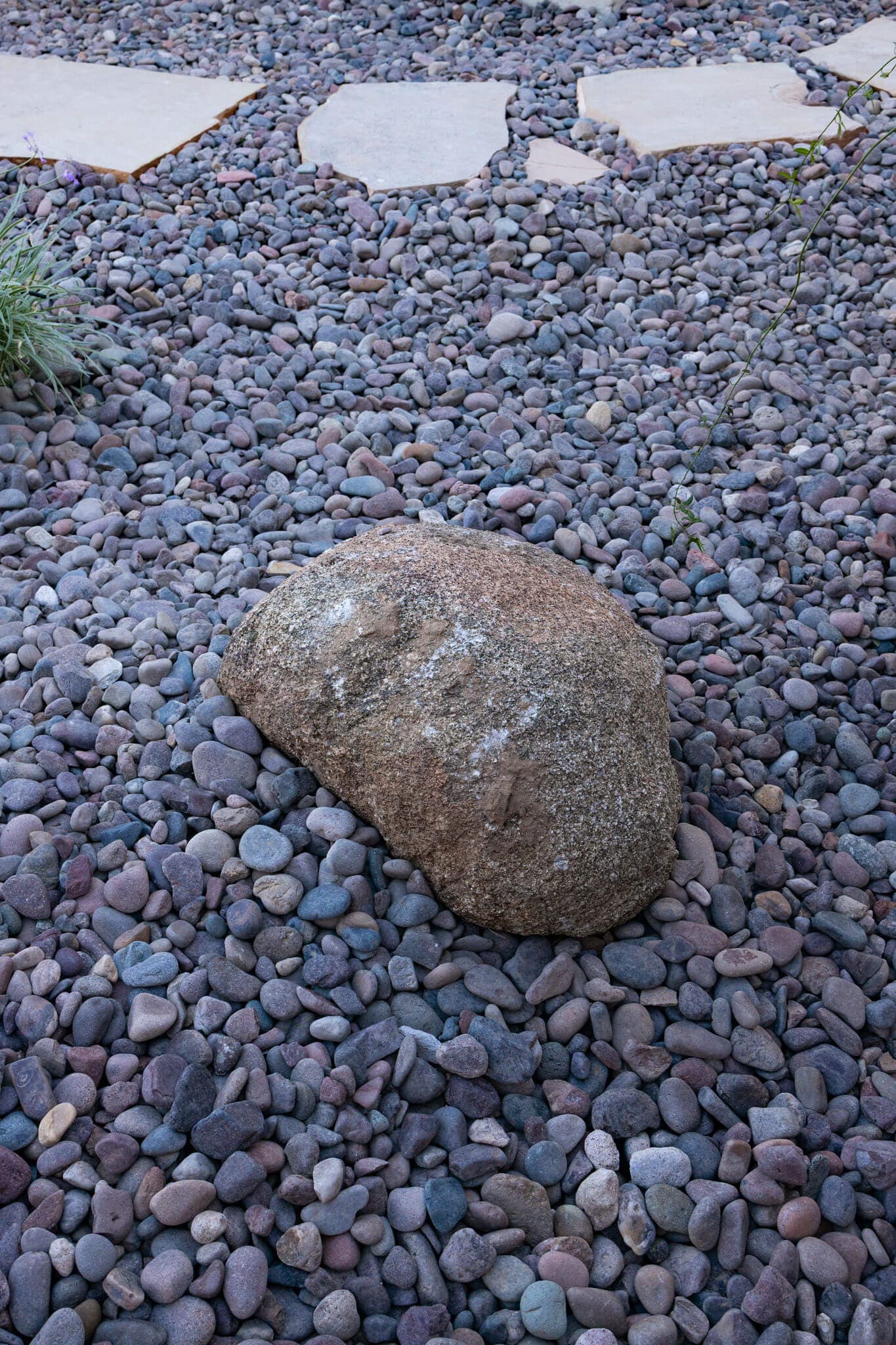
- Landscape Rock: Replace high-water grass areas with landscape rock. Rock mulch requires no water, suppresses weeds, and provides a clean, modern appearance. Various rock types and colors offer design flexibility.
- Retaining Walls: Retaining walls create planting opportunities while managing elevation changes. They add structural interest and can help direct water to planting areas.
- Pathways and Walkways: Create pathways using various materials - pavers, gravel, decomposed granite, or stepping stones. These functional elements require no irrigation.
- Outdoor Living Spaces: Design outdoor kitchens, fire features, and seating areas that provide functional space without requiring landscape water.
- Permeable Surfaces: Consider permeable pavers or surfaces that allow water to infiltrate, reducing runoff and helping recharge groundwater.
Design Strategies for Water Efficiency
Thoughtful design maximizes water efficiency:
- Hydrozoning: Group plants by water needs. Create high-water zones (near patios, entryways) and low-water zones (perimeter, slopes). This allows efficient watering without overwatering drought-tolerant plants.
- Shade Planning: Strategically place trees and structures to provide shade, reducing water needs for understory plants and creating comfortable outdoor spaces.
- Wind Protection: Use structures and plantings to reduce wind exposure, which increases evaporation and water needs.
- Slope Management: Design slopes to capture and direct water to planting areas. Terracing can help manage water flow and create planting opportunities.
- Microclimate Utilization: Take advantage of microclimates on your property. North-facing areas, areas near structures, and shaded areas have different water needs than exposed, south-facing areas.
Maintenance for Water Efficiency
Proper maintenance reduces water needs and ensures efficient water use:
- Regular Mulching: Maintain 2-3 inches of mulch around plants to reduce evaporation, suppress weeds, and moderate soil temperature. Refresh mulch annually or as needed.
- Appropriate Pruning: Prune plants properly to maintain health and reduce water needs. Overgrown plants may require more water, while properly pruned plants are more efficient.
- Weed Control: Remove weeds promptly, as they compete with desirable plants for water. Mulch and proper plant spacing help suppress weeds naturally.
- Soil Improvement: Improve soil over time with organic matter and proper amendments. Healthy soil retains water better and supports healthy plant growth.
- Seasonal Adjustments: Adjust maintenance practices seasonally. Reduce watering in cooler months, increase monitoring during hot periods, and adjust pruning schedules based on plant needs.
- Monitor Plant Health: Regularly inspect plants for signs of stress, disease, or pest problems. Healthy plants use water more efficiently than stressed plants.
- Irrigation Audits: Conduct periodic irrigation audits to identify inefficiencies, leaks, or areas needing adjustment. Professional audits can identify significant water savings opportunities.
Water-Saving Technologies
Modern technologies can significantly improve water efficiency:
- Smart Irrigation Controllers: Advanced controllers use weather data, soil moisture sensors, and evapotranspiration calculations to water only when needed.
- Soil Moisture Sensors: These sensors measure actual soil moisture and prevent watering when soil is already adequately moist.
- Flow Sensors: Monitor water flow to detect leaks and unusual usage patterns that indicate problems.
- Mobile Apps: Many smart controllers offer mobile apps for remote monitoring and control, making it easy to adjust schedules and respond to weather changes.
- Water-Efficient Fixtures: For water features, use recirculating systems and efficient pumps to minimize water usage.
Cost Savings and Benefits
Water-efficient landscaping offers numerous benefits:
- Reduced Water Bills: Save 50-75% on outdoor water usage, translating to significant cost savings, especially during peak summer months.
- Lower Maintenance Costs: Water-efficient landscapes typically require less maintenance, reducing costs for fertilizers, pesticides, and lawn care equipment.
- Increased Property Value: Well-designed water-efficient landscapes can increase property values, especially as water conservation becomes more important.
- Environmental Benefits: Reduce environmental impact by conserving water, reducing chemical use, and supporting native ecosystems.
- Compliance: Meet local water restrictions and conservation requirements, avoiding potential fines or penalties.
- Resilience: Water-efficient landscapes are more resilient during drought and water restrictions, maintaining beauty even when water is limited.
Professional Water-Efficient Landscaping in Gilbert
Creating a water-efficient landscape requires expertise in design, plant selection, irrigation, and maintenance. Gilbert Yard Pros connects you with experienced landscape professionals who specialize in water-efficient landscaping in Gilbert. Our network of qualified designers and contractors can help you:
- Design beautiful, water-efficient landscapes tailored to your property
- Select appropriate plants for maximum water efficiency
- Install efficient irrigation systems with smart technology
- Create functional hardscape features that reduce water needs
- Establish maintenance programs that maximize water efficiency
- Qualify for water conservation rebates and incentives
Contact Gilbert Yard Pros today to get matched with qualified landscape professionals who can help you create a stunning, water-efficient landscape that conserves resources, reduces costs, and enhances your property's value and enjoyment.
Ready to Transform Your Landscape?
Get matched with trusted local contractors for your landscaping project